
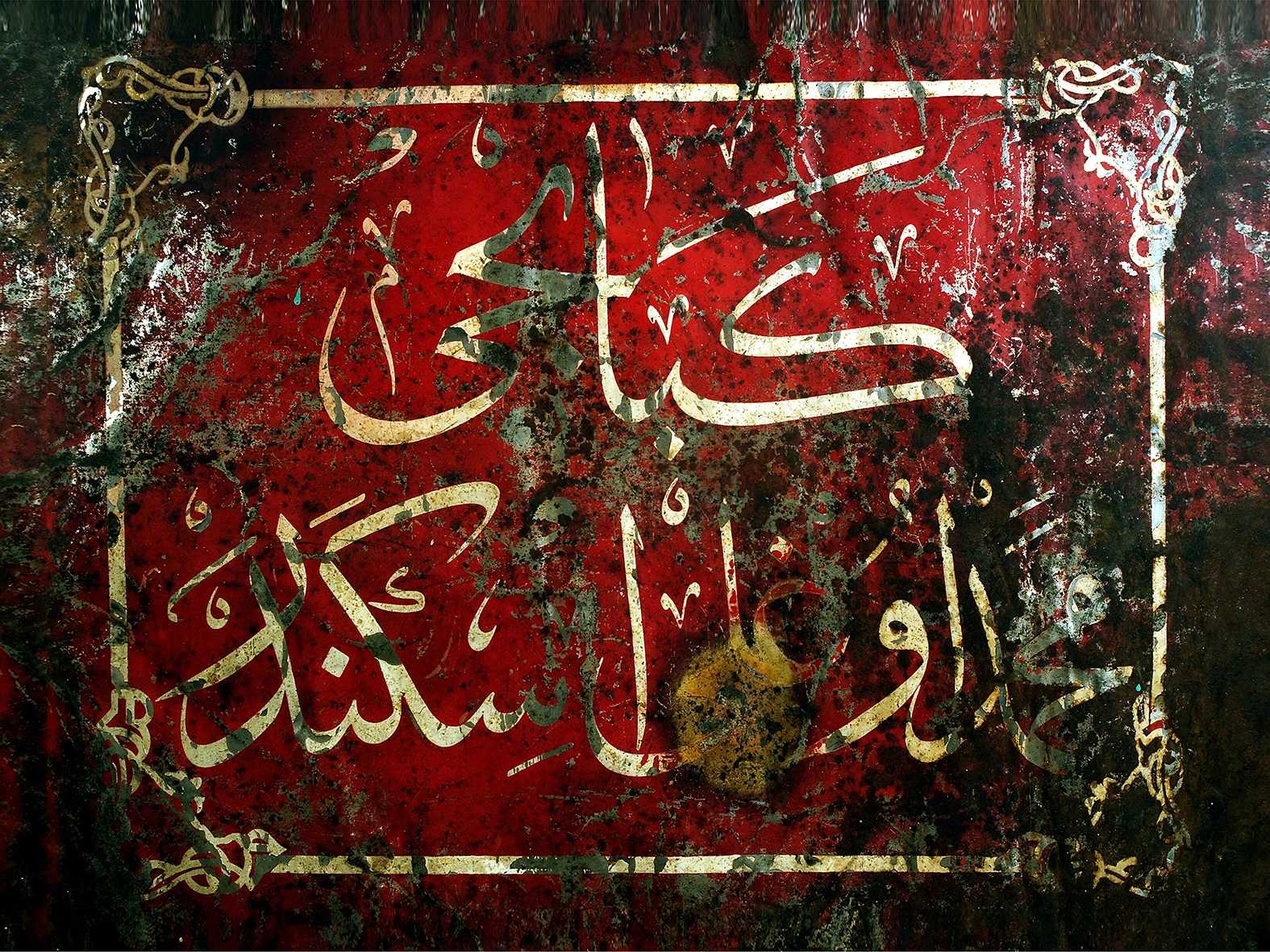
İskender is a brand that was born, not created.
İSKENDER is a brand born and made renowned through the affection of the people of Bursa. Its story begins in the mid-19th century, in the shop of İskender Efendi, son of Mehmet, in Bursa’s Kayhan Bazaar. In those days, lamb was roasted whole on a horizontal spit. İskender Efendi, however, began searching for a way to ensure that the distinctive flavours of the different cuts of lamb were shared equally among his customers. Guided by this idea, İskender Efendi, who came from a family of butchers skilled in cooking meat, with roots extending to Istanbul, removed the bones and sinews from the meat with the support of his father, Mehmet Efendi. He placed it on a spit, cooked it by turning it vertically in front of a charcoal fire, and served it in thin slices. This unusual presentation attracted considerable attention in Bursa and became known as İskender Efendi’s ‘turning kebab’. At the time, Bursa had a very small population, and the city consisted of the Kayhan–Tahtakale–Reyhan triangle and neighbourhoods such as Maksem and Tophane. People knew one another. Initially famous as ‘dönen kebap’, or ‘turning kebab’, the dish gradually became known in everyday speech as ‘döner kebap’, and later simply as ‘döner’. The name ‘Mehmet oğlu İskender Efendi’ first appeared on the shop sign and eventually became a trading name in the modern business world. This was how a brand that has endured for 150 years, become synonymous with Bursa, and grown into a symbol of the city itself was born.
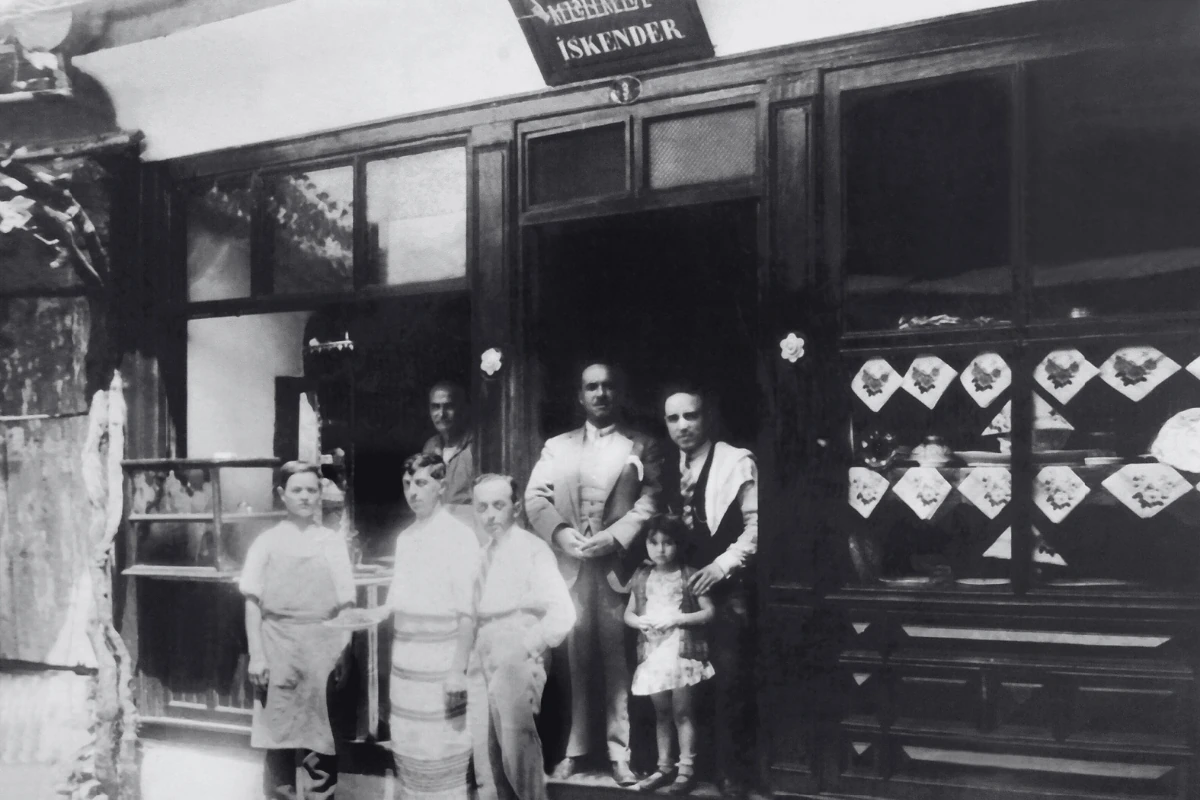
Taken after the alphabet reform of 1928, this photograph shows the shop with its new sign. In the foreground is Master Süleyman, son of İskender, wearing his peştemal apron. Behind him, at the hearth, stands his father and the founder of the brand, İskender Efendi, son of Mehmet.
Kebapçı İskender Efendi, son of Mehmet, married Fahriye Hanım, daughter of Hacı Süleyman Efendi of the Kahyalar family, a notable of Bursa and trustee of Şelçukhatun Mosque. They had two sons, Nurettin and Süleyman, and a daughter, Ruhiye. Nurettin Bey had no children, while Süleyman Bey had three sons: İskender, Fahri and Yavuz.
İskender Efendi opened his first shop in 1867, beside Kayhan Mosque in the historic Kayhan Bazaar, and worked there with his sons for the rest of his life. His eldest of three sons, Nurettin Bey, opened a new shop on Atatürk Avenue, Bursa’s largest avenue, in the 1930s, taking his younger brother Cevat Bey with him to work there. Nurettin Bey, who had no children, left this shop beside Teyyare Cinema to his youngest brother Cevat Bey in 1967 and passed away. The original family shop in Kayhan was taken over by the middle son, Süleyman Bey. Like his father İskender Efendi, Süleyman İskenderoğlu remained at the helm throughout his life. After his untimely death in 1965, his sons İskender, Fahri and Yavuz İskenderoğlu took up the mantle. The shop operated at its original location for more than 100 years, from 1867 until the 1960s. However, the regulations of the time — concerning its old masonry structure and licensing classification — obliged the İskenderoğlu family to move to a new, compliant reinforced-concrete building on Ünlü Avenue, roughly one hundred metres further up the road, where the shop continues to operate today.
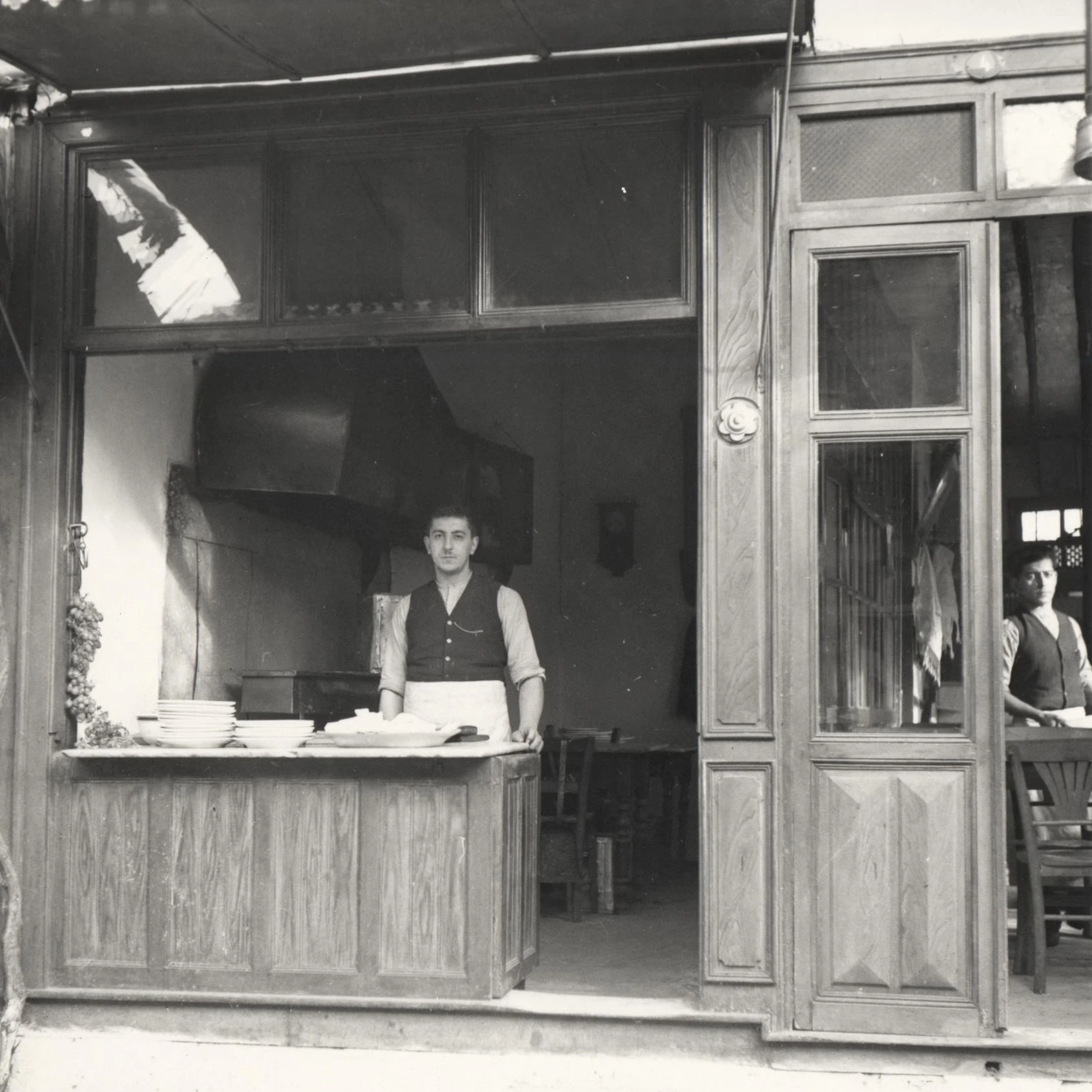
This photograph was taken in 1936 by the renowned Russian photographer Nicholas V. Artamanoff. The original is held in a special collection at the Smithsonian Institution. Standing in the foreground in his peştemal apron is Süleyman İskenderoğlu, son of Kebapçı İskender and father of Yavuz İskenderoğlu. The setting is Kebapçı İskender’s first shop, beside Kayhan Mosque in Bursa.
Recognising İskender’s historical and cultural significance beyond that of a restaurant, the İskenderoğlu family has used the original shop in a side street of Kayhan Bazaar as the model for all its new restaurants, alongside preserving its classic recipe. Every detail remains part of the brand’s identity today: the raised pyramidal kündekârî woodwork on the exterior, a feature of 19th-century Ottoman architecture in Bursa; the daisy motifs popular at the time; the familiar marble tables; and the pink lip papers used in place of napkins.
The 17th-century mansion near Irgandı Bridge in the Selçukhatun neighbourhood, where the founder once lived, was also rebuilt in an eleven-year reconstruction project. Faithful to the measured architectural surveys, the project used original materials and traditional construction methods in keeping with Ottoman architecture of the period. Today, in addition to serving as a restaurant, the mansion is a museum displaying historical objects belonging to the family. This demanding project aims to demonstrate that İskender is more than a dish: it is a shared cultural heritage of Bursa, Türkiye and an even wider region, to be passed on to future generations.
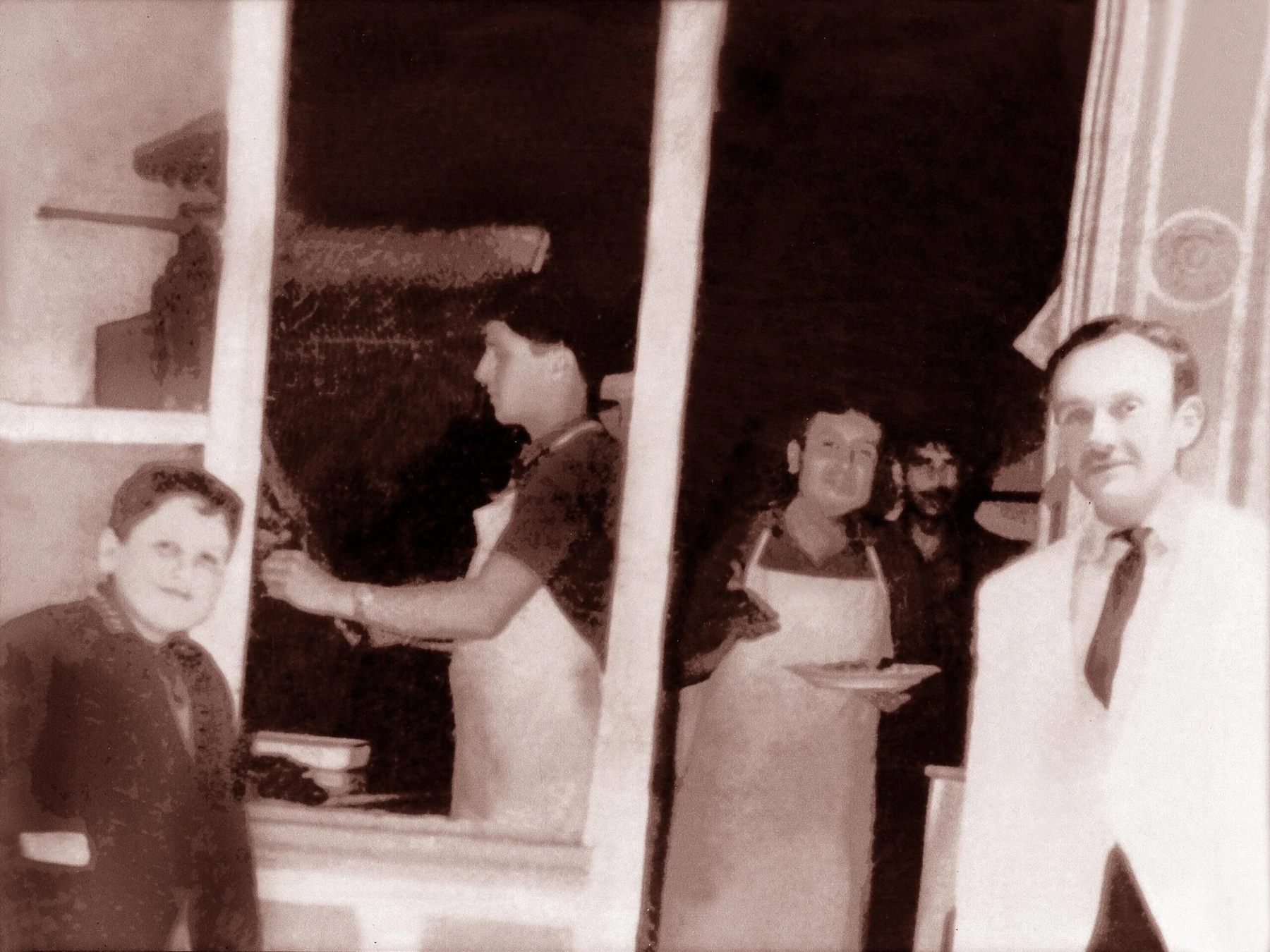
This photograph was taken in the late 1950s. The sons of Süleyman Bey, himself the son of Kebapçı İskender Efendi — İskender on the right, Fahri in the centre and Yavuz İskenderoğlu on the left — are seen working in the family shop.
Over its 153-year history, this establishment has witnessed two states, five sultans and twelve presidents. Today, the three brothers, their children and grandchildren continue their grandfather’s craft into the fifth generation, keeping the fire alive at the same hearth with the same flavour, quality, principles and love as on the first day.
The kebab served in our establishments today is more than meat, pide, yoghurt and butter brought together on a plate. Every bite reflects the labour, craftsmanship and dedication of successive generations. We hope it conveys the traces of a tradition that has endured so many hardships and changing times. For we offer our guests more than a meal: we offer the spirit of this land, and the mastery and ethics shaped over centuries. Together with every guest, we continue to keep this modest legacy alive.
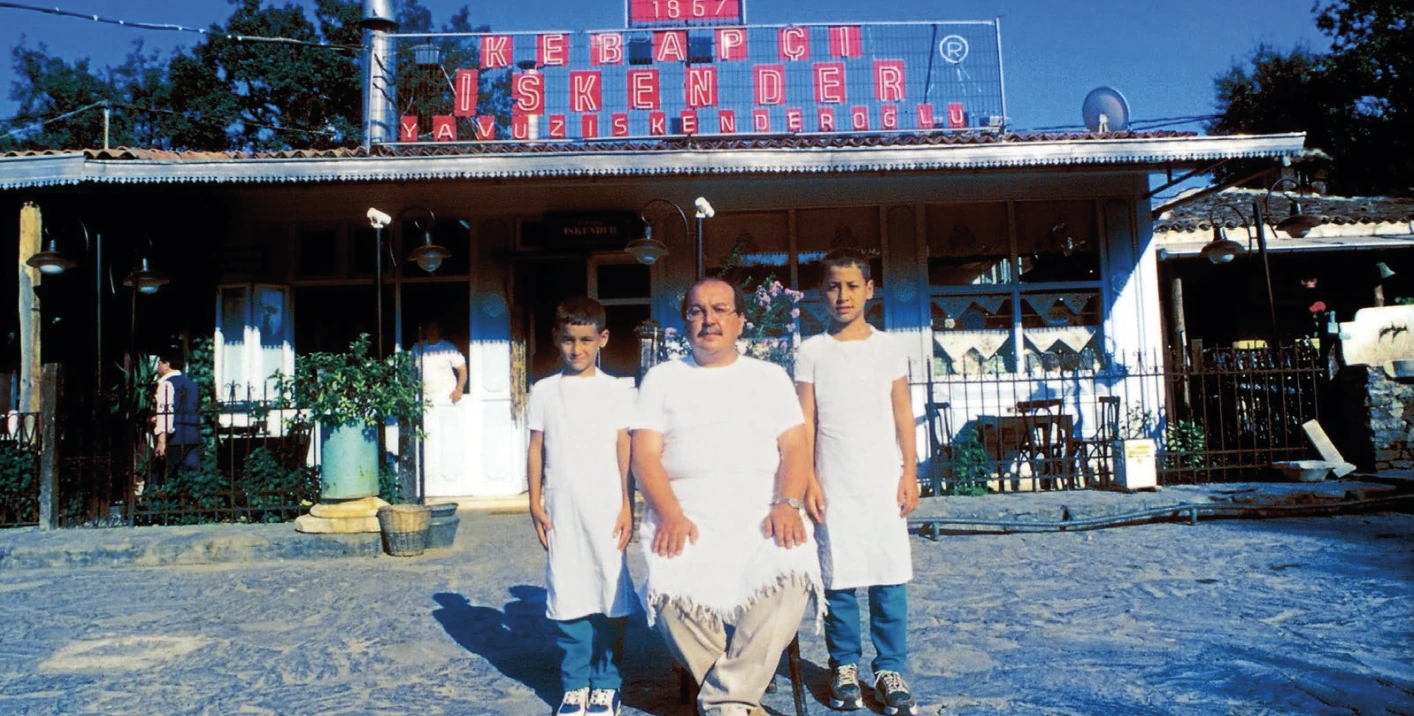
In this photograph from 1995, Yavuz İskenderoğlu is pictured outside the shop with his sons and apprentices, Oğuzhan on the right and Kayhan İskender on the left.
This deeply rooted, 160-year journey continues to be written today. Our wish is that this legacy, passed down through so many generations, will endure for many more spans of 160 years, carried from one generation to the next with the same love and care. In this way, İskender will remain not only a flavour, but a living story that carries the spirit of a culture, a family and a city into the future.
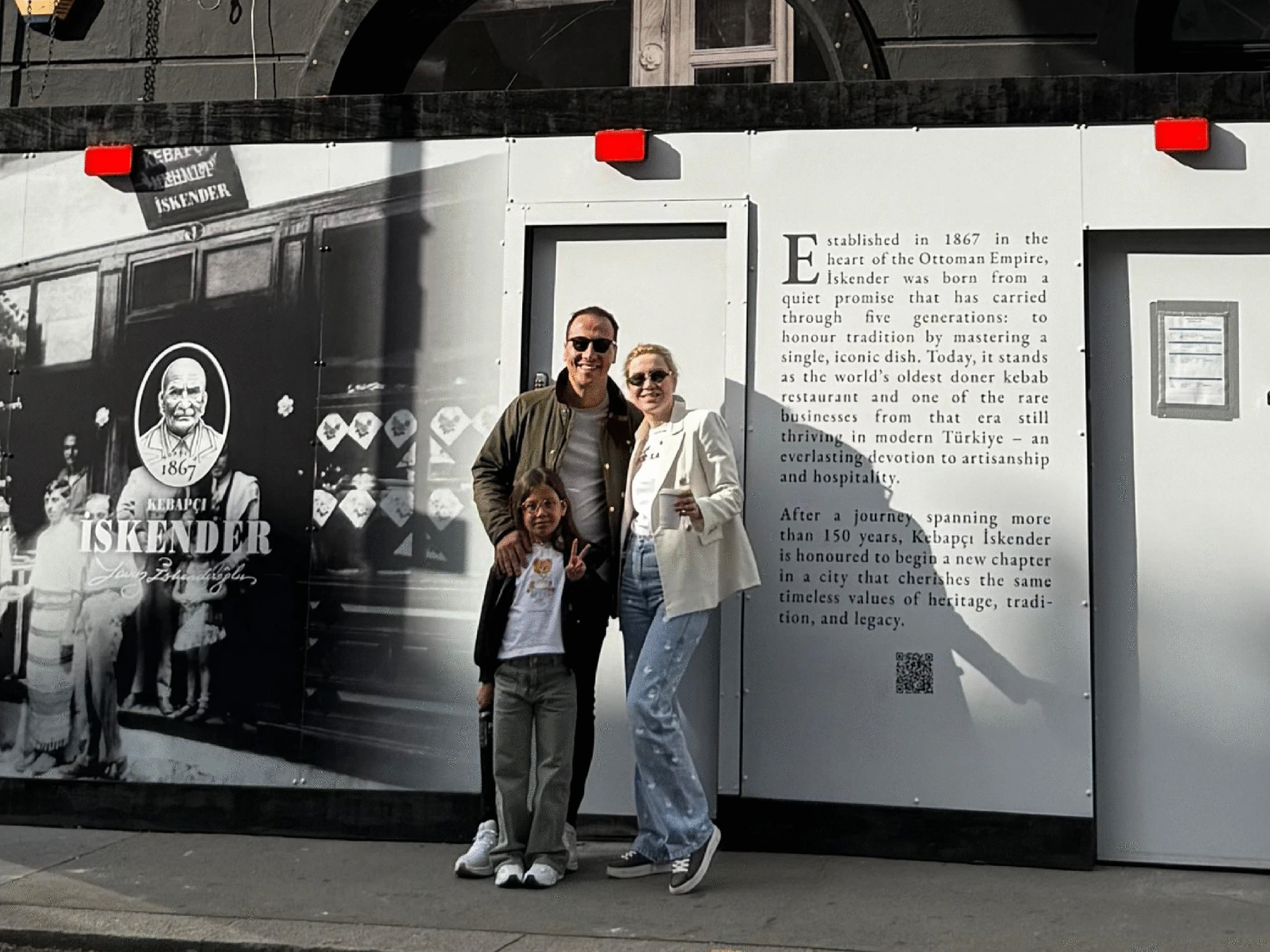
This photograph was taken in 2025, showing Oğuzhan İskenderoğlu with his wife and their daughter Sofia Lara Aleksandra outside their new London restaurant shortly before its opening.